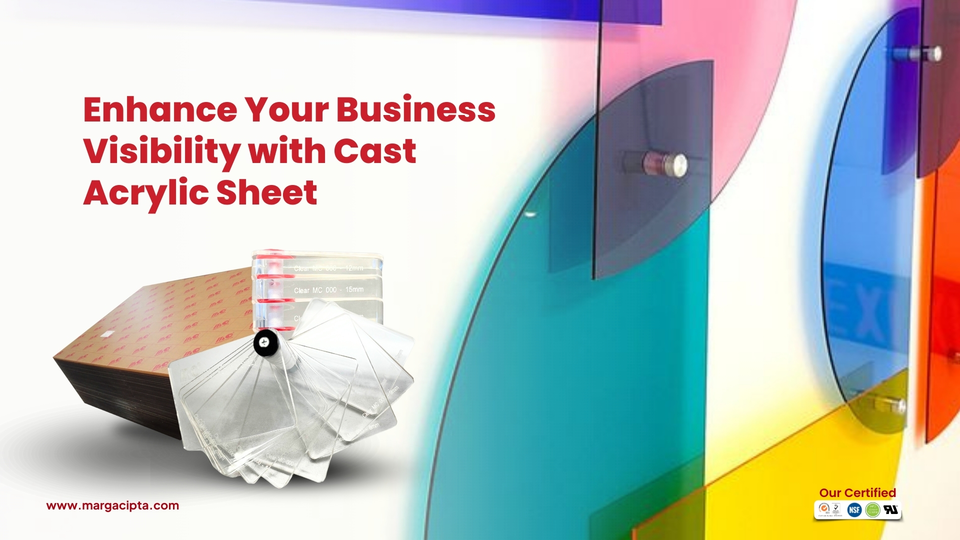
Enhance Your Business Visibility with Cast Acrylic Sheet

Informational

In today’s competitive market, strong branding isn’t just a marketing strategy, it's a necessity. One material that has become essential in modern branding solutions is cast acrylic sheet.

Businesses need visual elements that communicate professionalism, attract customers, and create lasting impressions.

High-quality acrylic sheets, such as those from Marga Cipta, offer the perfect blend of aesthetic appeal and practical functionality, supporting businesses across all industries.

Read also: 100% Virgin MMA: The Key to High-Quality Acrylic Sheets

Why Acrylic Sheets Are Ideal for Branding?

Branding relies heavily on visual presentation. Acrylic can give several advantages that make it a superior material for brand displays, identity elements, and signage.

1. Premium, Modern Aesthetic

Cast acrylic sheets have a glass-like clarity that gives branding elements a sleek and premium look. Whether used for indoor or outdoor, acrylic elevates the visual impact of a business.

2. Excellent Light Transmission

With up to 92% light transparency, acrylic enhances illuminated signs and LED-based branding installations. 

The result is brighter, more eye-catching brand visuals that stand out, day or night.

3. Strong and Durable

Unlike glass, cast acrylic is significantly more impact-resistant and weatherproof. 

It withstands rain, sunlight, temperature changes, and physical contact. Making it ideal for long-term branding.

4. Easy to Fabricate

Acrylic is highly versatile. It can be:

  • Laser cut
  • Engraved
  • Bent
  • Printed on
  • Combined with lighting

This flexibility allows businesses to create unique, custom branding elements that match their desired style and identity.

5. Lightweight and Safe

Its lightweight nature simplifies installation and reduces the risk of breakage, especially important for stores, malls, outdoor displays, and public areas.

Read also: Why Cast Acrylic Is Better Than Glass: Benefits You Should Know

Popular Branding Applications Using Acrylic Sheet

Cast acrylic sheets are widely used in various branding and marketing applications, including:

1. Storefront and Indoor Signage

Acrylic is one of the most popular materials for 3D letters, logo signs, and illuminated signboards. Its clarity enhances LED lighting, making brand names visible from afar.

2. Point-of-Purchase (POP) Displays

Product stands, brochure holders, and promotional displays often use acrylic for a clean, elegant finish that attracts customer attention.

3. Exhibition and Event Branding

Acrylic is commonly used for booth signage, backdrops, directional signs, and decorative panels in exhibitions and trade shows.

4. Wall Art and Brand Statements

Corporate branding elements such as mission statements, vision boards, and decorative panels look more premium when made from acrylic.

5. Menu Boards and Information Panels

Restaurants, clinics, hotels, and retail stores use acrylic sheets for stylish, easy-to-clean display boards.

Read also: Acrylic for Art and Crafts, Endless Creativity Only for You

Why Choose Marga Cipta Cast Acrylic for Branding?

Marga Cipta provides high-quality cast acrylic sheets trusted by designers, fabricators, and branding agencies across Indonesia and beyond.

Our acrylic sheets offer:

  • Superior clarity and transparency
  • Smooth surface and excellent thermoforming ability
  • High durability against UV and weather exposure
  • Wide range of colors, thicknesses, and finishes
  • Consistent quality for professional-grade installations

Whether you’re creating signage, displays, or custom brand installations, Marga Cipta ensures your branding materials look impressive and last long.

Tips for Using Acrylic in Branding Projects

To maximize the impact of acrylic-based branding, consider these tips:

  • Choose colored acrylic sheets for 3D letters and logos to reflect brand identity.
  • Use diffuser acrylic for illuminated signs to achieve even lighting.
  • Combine clear acrylic with UV printing for premium signage.
  • Ensure protective film stays on during fabrication to avoid scratches.

Conclusion

Acrylic isn’t just a functional material, it’s a branding asset. With its clarity, strength, and design flexibility, MC® cast acrylic sheets help businesses create strong visual identities that attract customers and reinforce brand credibility.

By choosing high-quality cast acrylic sheets from Marga Cipta, businesses can unlock endless branding possibilities, from signage to displays and everything in between.


News Release

Food Grade Acrylic: Safe Choice for Your F&B Business

When it comes to materials used in the food industry, safety and durability are top priorities. One of the most trusted materials is food grade acrylic

This type of acrylic is specially manufactured to meet strict safety standards, making it suitable for direct contact with food and beverages.

What is Food Grade Acrylic?

Food grade acrylic is a high-quality plastic material that has been tested and certified to be safe for use with food. 

Unlike regular acrylic, it does not contain harmful substances that could contaminate food or drinks. It is also resistant to bacteria, easy to clean, and highly durable.

Read also: Benefits of Using Clear Cast Acrylic Sheet

Is Acrylic Safe for Food?

Yes, acrylic is safe for food as long as it is certified as food grade

Regular acrylic may not always meet safety standards, but food grade acrylic has been tested to ensure it does not leach harmful chemicals or contaminants. 

Always look for products with FDA or NSF certification to guarantee safety in food applications.

Benefits of Using Food Grade Acrylic

  1. Safe for Food Contact
    Certified food grade acrylic complies with international safety standards, ensuring it is non-toxic.
  2. Durable and Long-Lasting
    It is highly resistant to impact and does not easily crack, making it ideal for everyday use in the food industry.
  3. Crystal Clear Transparency
    Glass-like clarity, making food grade acrylic gives excellent visibility, perfect for displays, food containers, or protective covers.
  4. Lightweight and Easy to Handle
    Compared to glass, acrylic is much lighter, making it easier to transport, install, and maintain.

Read also: Do’s and Don’ts: Cleaning Acrylic Sheet the Right Way

Applications of Food Grade Acrylic

Food grade acrylic can be found in various food-related industries, including:

  • Food displays and covers in restaurants and bakeries
  • Storage containers for dry goods or liquids
  • Protective shields for hygienic food preparation areas
  • Tableware and serving trays for commercial or household use

Choosing food grade acrylic ensures safety, durability, and hygiene for any food-related application. 

Looking for high-quality food grade acrylic sheets? MC® Cast Acrylic Sheets are NSF-certified for clear and white opal variants, trusted for consistent quality and safe use in food contact applications.

Contact us on info@margacipta.com for more details.

Things to Check Before Buying Acrylic

Acrylic sheets are widely used in industries such as signage, architecture, furniture, and even food-related applications. But with so many options available, knowing how to choose acrylic sheets is essential to ensure quality, safety, and durability.

1. Decide Between Cast or Extruded Acrylic

There are two main types of acrylic sheets:

  • Cast Acrylic: Known for superior optical clarity and durability, making it ideal for premium applications.
  • Extruded Acrylic: More cost-effective with consistent thickness, great for general purposes.

2. Check Thickness and Size Options

Different projects require different sheet thicknesses and dimensions. Make sure the supplier offers the right size to fit your application needs.

Read also: Choose the Right Cast Acrylic Color for Your Project

3. Evaluate Optical Clarity

High-quality acrylic should be crystal clear, with excellent light transmission similar to glass. Avoid sheets that look cloudy or yellowish, which usually means lower grade acrylic.

4. Consider Durability and Resistance

Choose acrylic that offers impact resistance, UV protection, and weather durability, especially for outdoor use. This ensures long-lasting performance.

5. Look for Certification and Safety Standards

For food displays or hygienic environments, select acrylic sheets that have NSF or FDA certification to guarantee safety in food contact applications.

Read also: Acrylic vs Polycarbonate: Which One Should You Use?

6. Work with a Trusted Supplier

A reputable supplier ensures consistent product quality and adherence to international standards, reducing risks for your projects.

Conclusion

Understanding how to choose acrylic sheets will help you make the best decision for your projects. From material type and thickness to certifications and supplier reliability, every factor matters in achieving the desired results.

Looking for premium acrylic sheets? Marga Cipta is a trusted manufacturer of cast acrylic sheets with NSF-certified options (clear and white opal). Contact us today at info@margacipta.com to find the right acrylic for your needs!

What Is Acrylic Made Of? Composition, Properties, and Uses Explained

Acrylic is made from polymethyl methacrylate (PMMA), a transparent thermoplastic created from methyl methacrylate (MMA) monomers. This material is known for its excellent clarity, durability, and versatility, making it one of the most widely used alternatives to glass.

From signage and displays to architectural and industrial applications, acrylic sheets are valued for their combination of strength, aesthetics, and ease of fabrication.

Understanding what acrylic is made of can help businesses, designers, and manufacturers choose the right material for their projects.

Read also: What is Satin Acrylic? A Complete Guide to Its Look and Function

What Is Acrylic?

Acrylic is a synthetic plastic material that belongs to the family of thermoplastics. The most common form of acrylic used in sheets is PMMA, which is produced through a polymerization process.

During manufacturing, small molecules called methyl methacrylate monomers are chemically bonded together to form long polymer chains. The result is a strong, transparent material with excellent optical properties.

Because of its glass-like appearance and practical advantages, acrylic has become a popular material in various industries.

Main Components of Acrylic

The primary ingredient in acrylic is:

Polymethyl Methacrylate (PMMA)

PMMA is a transparent plastic that offers:

  • High optical clarity
  • Good weather resistance
  • Lightweight performance
  • Excellent fabrication flexibility

This composition gives acrylic its distinctive combination of transparency and durability.

Depending on the manufacturing process, additives may also be incorporated to enhance specific properties such as UV resistance, color stability, or surface finish.

Key Properties of Acrylic

One of the reasons acrylic is so widely used is its unique set of material properties.

Excellent Clarity

Acrylic offers outstanding light transmission, allowing it to achieve a clear and bright appearance. This makes it ideal for applications where visibility is important.

Lightweight Structure

Compared to glass, acrylic is significantly lighter, making transportation, installation, and fabrication easier.

Weather Resistance

High-quality acrylic sheets can withstand prolonged exposure to sunlight and outdoor conditions while maintaining their appearance.

Impact Resistance

Although not as impact-resistant as polycarbonate, acrylic is generally stronger and more durable than traditional glass.

Easy Fabrication

Acrylic can be cut, drilled, engraved, thermoformed, and printed, making it suitable for a wide range of custom projects.

Common Types of Acrylic Sheets

Acrylic sheets are available in various forms, including:

  • Clear acrylic sheets
  • Colored acrylic sheets
  • Frosted acrylic sheets
  • Satin acrylic sheets
  • Mirrored acrylic sheets

Each type is designed to meet different aesthetic and functional requirements.

Common Uses of Acrylic

Because of its versatility, acrylic is used in numerous applications.

Popular examples include:

1. Signage and Displays

Acrylic's clarity and printability make it a preferred material for retail and commercial signage.

2. Interior Design

Decorative panels, partitions, and furniture elements often utilize acrylic for its modern appearance.

3. Industrial Applications

Many industries use acrylic for machine guards, protective covers, and fabricated components.

4. Architectural Features

Acrylic is frequently incorporated into building designs, skylights, and decorative structures.

Read also: Is Acrylic Waterproof? Understanding Its Water Resistance

Why Material Quality Matters

Not all acrylic sheets offer the same performance.

High-quality acrylic provides:

  • Better clarity
  • Consistent thickness
  • Improved weather resistance
  • Reliable fabrication results

Marga Cipta supplies premium acrylic sheets suitable for signage, displays, interiors, fabrication, and industrial applications.

Conclusion

So, what is acrylic made of? Acrylic is primarily composed of polymethyl methacrylate (PMMA), a transparent thermoplastic known for its durability, clarity, and versatility.

Its unique composition allows it to be used across a wide range of industries and applications. By choosing high-quality acrylic sheets, businesses and manufacturers can achieve reliable performance and professional results.

Ready to explore our cast acrylic options? At Margacipta Wirasentosa, we offer high-quality clear cast acrylic sheets from 100% virgin MMA in various thicknesses and custom sizes to fit your needs.

Reach out to our Instagram or download our Product Catalog for more information.

Why Does Acrylic Turn Yellow? Causes and Prevention

High-quality acrylic sheets are highly resistant to yellowing, but certain environmental conditions and material quality can affect their appearance over time. 

If acrylic becomes yellow, it is often due to prolonged UV exposure, harsh chemicals, excessive heat, or the use of low-quality materials.

Understanding why acrylic turns yellow can help businesses and fabricators choose the right material and maintain its clarity for years.

Does Acrylic Naturally Turn Yellow?

Unlike some plastics, acrylic is well known for its excellent optical clarity and UV resistance.

Premium cast acrylic sheets are manufactured to withstand outdoor exposure while maintaining their transparency and color stability. In many applications, high-quality acrylic can remain clear for years with proper care.

However, not all acrylic sheets offer the same level of performance.

Read also: Best Way to Glue Acrylic Sheet: Adhesives and Application Tips

Common Causes of Acrylic Yellowing

1. Prolonged UV Exposure

Although acrylic is naturally UV-resistant, continuous exposure to intense sunlight over many years may gradually affect lower-quality materials.

UV radiation can accelerate material aging, especially if the acrylic is not designed for outdoor applications.

Using UV-resistant acrylic sheets helps minimize this risk.

2. Poor Material Quality

Material quality is one of the biggest factors influencing long-term appearance.

Lower-quality acrylic may:

  • Yellow more quickly
  • Lose transparency
  • Become brittle over time
  • Develop surface imperfections

Premium cast acrylic generally provides better color stability and weather resistance.

3. Harsh Cleaning Chemicals

Cleaning acrylic with unsuitable chemicals may damage its surface.

Avoid using:

  • Ammonia-based cleaners
  • Strong solvents
  • Alcohol-based cleaners
  • Abrasive cleaning products

These chemicals can weaken the surface and contribute to discoloration over time.

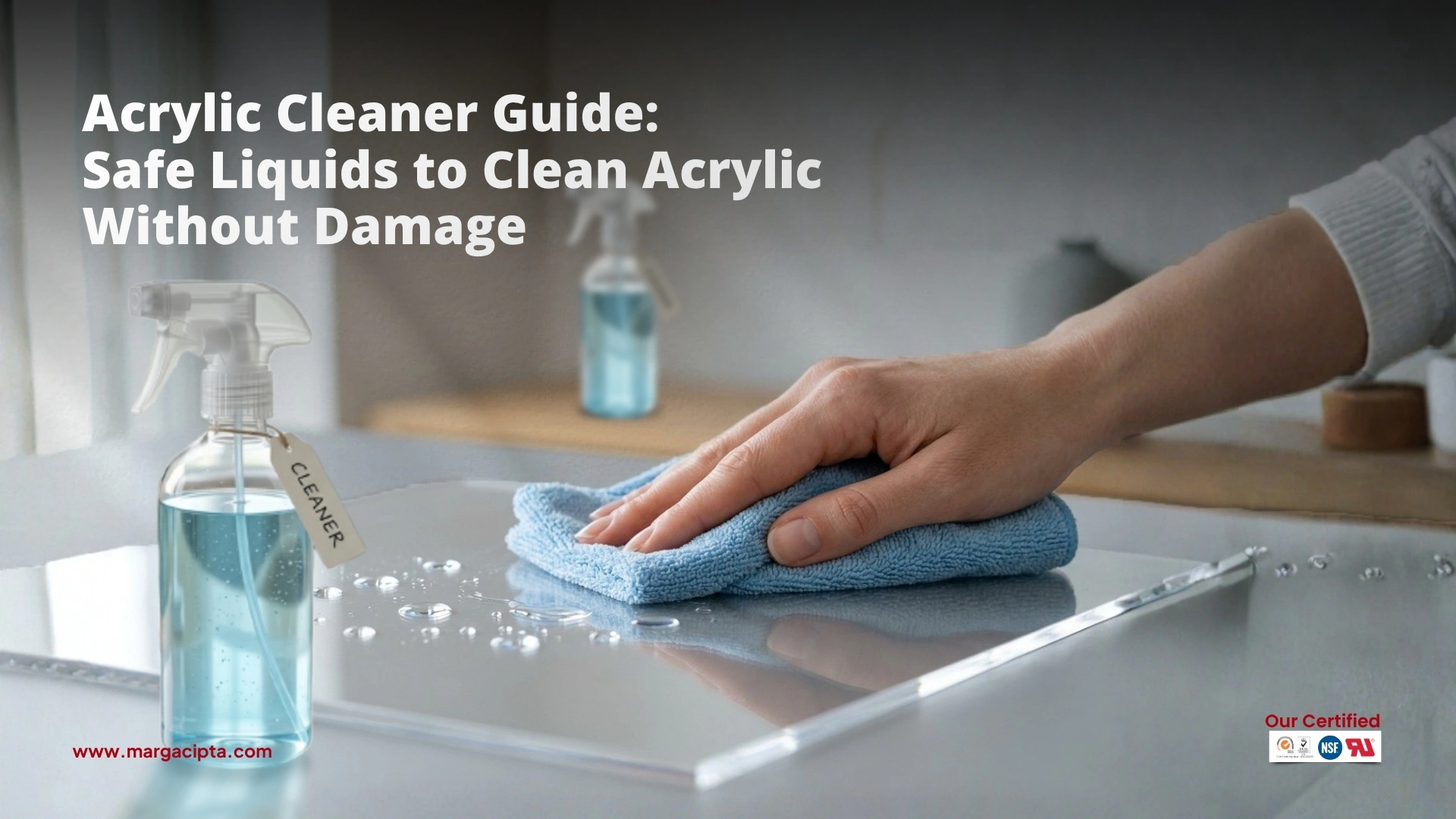
Instead, use acrylic-safe cleaners and a soft microfiber cloth.

4. Excessive Heat

Exposure to high temperatures for extended periods can accelerate the aging process of acrylic.

While acrylic performs well in many environments, excessive heat combined with UV exposure may gradually reduce its visual quality.

5. Improper Storage

Storing acrylic sheets in unsuitable environments can also affect their appearance.

To maintain quality:

  • Store sheets indoors when possible
  • Keep them away from excessive sunlight before installation
  • Protect surfaces from dust and contaminants

Proper storage helps preserve the material before fabrication.

How to Prevent Acrylic from Turning Yellow

The best way to maintain acrylic clarity is through proper material selection and maintenance.

Recommended practices include:

  • Choose premium UV-resistant acrylic sheets.
  • Clean using acrylic-safe cleaning solutions.
  • Avoid harsh chemicals and abrasive tools.
  • Install the correct acrylic grade for outdoor applications.
  • Follow manufacturer recommendations for handling and maintenance.

These simple steps can significantly extend the lifespan of acrylic products.

Why High-Quality Acrylic Matters

Premium acrylic sheets offer several long-term advantages, including:

  • Excellent UV resistance
  • Superior optical clarity
  • Better weather durability
  • Improved color stability
  • Consistent performance over time

Choosing high-quality acrylic helps reduce maintenance and improves the longevity of finished products.

Marga Cipta manufactures premium cast acrylic sheets suitable for signage, displays, architectural features, retail applications, and other projects that require long-lasting clarity and performance.

Read also: How Long Does Acrylic Last Outdoors? Lifespan, UV Resistance, and Maintenance

Conclusion

So, why does acrylic turn yellow? In most cases, yellowing is caused by prolonged UV exposure, harsh chemicals, excessive heat, or poor material quality.

By selecting premium UV-resistant acrylic sheets and following proper maintenance practices, businesses can keep acrylic products clear, durable, and visually appealing for many years.

Choose High-Quality Acrylic for Long-Lasting Performance

Marga Cipta offers premium cast acrylic sheets designed for excellent clarity, weather resistance, and durability across a wide range of applications.

For inquiries or orders, email info@margacipta.com.

For product updates, inspiration, and application ideas, follow Instagram @margacipta.